Connect With Your Creativity
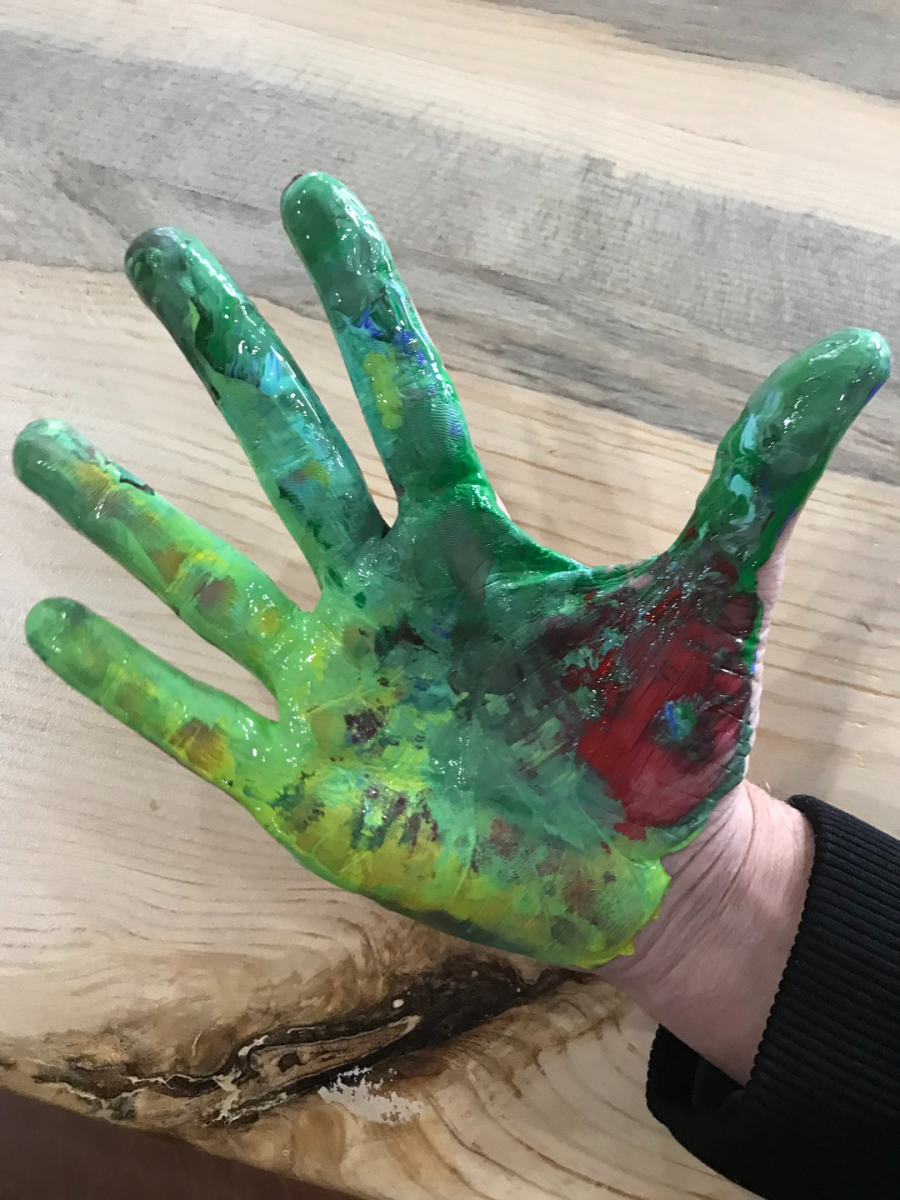
"Creativity is just connecting things." Steve Jobs
Following are some ideas and techniques to try right now! Keep in mind as you create...
• Making art is a reminder that you have the power to create your world, to shift and move the pieces of your life, and to connect with the world around you.
• Making art activates both sides of the brain, improving your brain's communication within itself and back to you. Doodling with markers or gel pens has been shown to improve memory.
• Making art for 15 minutes without distraction is as effective as other forms of meditation.
• Don't have supplies? Treat yourself and head to the art store, thrift shop, or dollar store. Create a small kit that you can use anytime the mood strikes.
• Pay attention to any attacks from your Inner Critic and Scarcity. Remember YOU get to decide which judgements to take on and which to let go.
• Integrate and practice recovery skills – letting go of control, acceptance, patience.
• Give yourself permission to play, explore, make a mess, do something “wrong.” Journals are very personal, not necessarily meant to be shared with others. The journal can be used to become more proficient with a particular technique such as pastels or watercolor painting.
• There’s nothing wrong with using resources to spark your creativity. References and tools can aid your process. There are great videos and instructions online for every art material and process and much more.
Creative Journaling
A great way to explore is through the journaling process. Journals don't only have to be used for the written word. Creative journaling can encompass a variety processes, techniques, and materials.
Journaling Themes
One way to begin your journal is by creating a theme. Here are some ideas:
1) Self Care / Therapy Journal. Draw your emotions, release blockages eg. anger, shame, resentment, grief, using color, shape, pattern, or images.
2) Dream Journal. The first thing in the morning after waking, journal with visual images recalled from your dreams. Write down some key words or phrases first, followed by drawing the main elements of the dream.
3) Affirmation / Intention / Gratitude Journal. With an intention in mind – a gratitude practice or a goal to become healthier – dedicate a journal to affirmations, intentions, or visions.
4) Mandala Journal. Working within a circle. Trace or draw a circle on each page of the journal and make a regular practice of creating images within the circle template. Click here for a handout on the Mandala.
5) Nature Journal. Take your journal with you when you’re outside, make sketches of scenery and plants, press plants and flowers into the pages, make rubbings of patterns.
6) Cultural History Journal. Create a journal based on a specific time period or culture using imagery and writing, such as Japanese or Native American.
7) Visual Quote Journal. Create imagery based on quotes, poems, and songs. Anything written can act as a prompt to generate visual imagery. 21 Inspiring Creativity Quotes That'll Get Your Juices Flowing.
8) Junk Journal. Basically, a journal where anything goes. Bits and scraps, torn images, fabric and sewing, natural elements such as pressed flowers and leaves. The sky’s the limit!
Of course your journal can incorporate a number of different styles and themes. It's YOUR journal.
Journaling Techniques
Creative journaling allows for self-exploration as well as exploration of new techniques and materials. Here are some techniques to try:
1) Spontaneous Imagery. Create a scribble or free form lines and identify images, letters, and numbers in the lines.
2) Non-Dominant Hand Drawing. Draw with your non-dominant hand and see what emerges, create with your non-dominant hand as part of a journaling practice.
3) Tangle Journal. Filling space with patterns. Zentangle® designs can be replicated or "tangle doodles" made by creating patterns with repetitive lines and shapes.
4) Collage. Collect images, words, or quotes from magazines or books, and/ or print memorabilia and make a regular practice of creating collage imagery. It can be focused on any theme [similar colors, soothing images, sports, travel, etc.]. A wide variety of materials can be created using painted papers, pattern papers, magazine images, wrapping paper, old calendars, rubber stamps, stickers, and more. This is a great opportunity to experiment with a variety of materials! Check out Shelly Klammer's collages on Instagram, she also had a wonderful website focused on Depth Creativity!
5) Redacted Poetry. A process of highlighting words in a page of text to create a poem, then creatively blocking out the remaining lines of text.
6) Reverse Drawing. Drawing found imagery upside down can help improve drawing skills by becoming less aware of what we perceive and drawing what we actually see.
7) Working within a Grid. Create a grid to use throughout a journal to consistently yet playfully align imagery. This is a great way to enhance composition skills.
8) Stencils. Stencils can be used to create layers of images on a page. Stencil images can be created with a variety of materials and combined with other techniques.
9) Altered Book. Any book [old novel, cookbook, children's storybook, music score] can be used as a visual journal; words and images in the book can be a part of the journaling process or draw/paint/collage over text.
10) Create Your Own Journal. Journal covers can be made from anything from paintings to cardboard. Insert papers can be made from copy paper, paint paper, graph paper, mixtures of paper. Yet another opportunity to get creative!
Join Us
OCTOBER 13th!
CONNECT & CREATE
 Print
Print